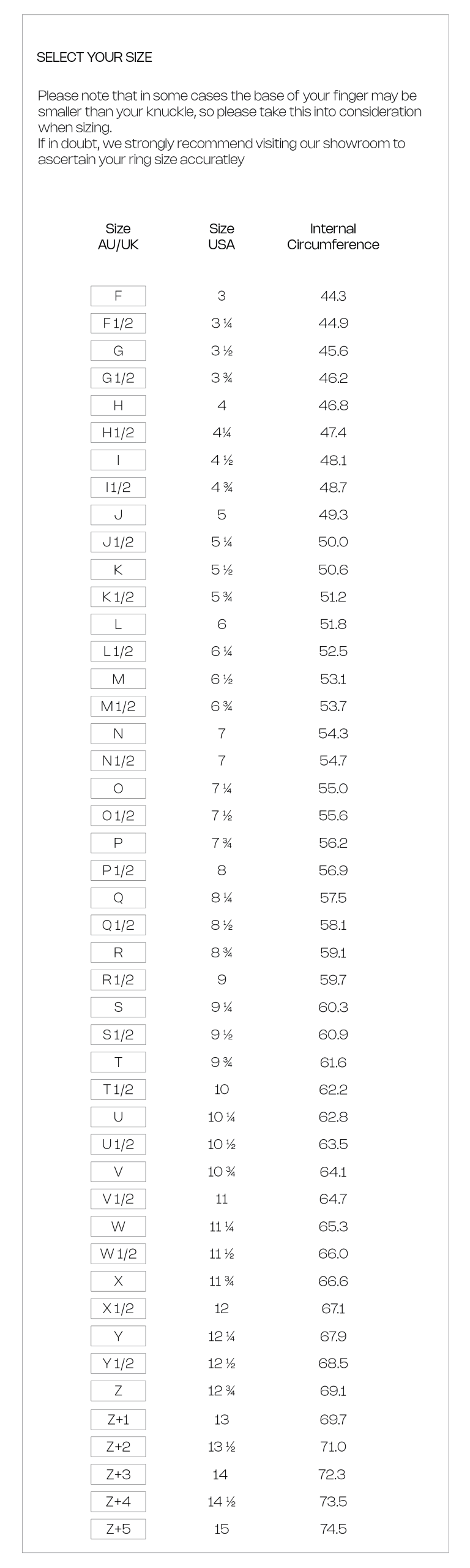
Two-tone jewellery makes the contrast between metals part of the design itself. In 2-tone jewellery, the meeting of two colours creates a sense of balance, movement and visual interest, giving the piece a more individual character. That contrast gives the jewellery its distinctive look, with the warmth of one metal set against the cooler tone of another.



Metal Pairings for Two-Tone Jewellery
The beauty of two-tone jewellery lies in how different metals change the character of the same design. Garen Jewellery works exclusively with 18K gold and platinum, pairing these distinct tones to create pieces that range from crisp contrast to softer, warmer combinations.
- Yellow gold and white gold create the most defined contrast, pairing the rich warmth of yellow gold with a cooler tone. A classic combination often seen in contemporary and vintage-inspired designs.
- Rose gold and white gold create a softer contrast, with the blush-toned rose gold creating a gentler transition against white gold.
- Yellow gold and platinum offer a similar warm-and-cool contrast; the latter brings greater weight and durability to the combination.
- Rose gold and yellow gold create the most tonal pairing, with two warm shades flowing into one another rather than creating a sharp divide. This combination works particularly well for delicate and layered designs.
How Two-Tone Jewellery Works Across Different Pieces
Rings
In rings, two-tone jewellery often uses the contrast between metals to define the setting. One metal may form the band, while the other is used for the claws, basket or diamond claws on the band, creating a clear change in colour around the stones. On a pavé band, contrasting metals can also help define the rows of diamonds, adding another layer of depth to the design.
Earrings
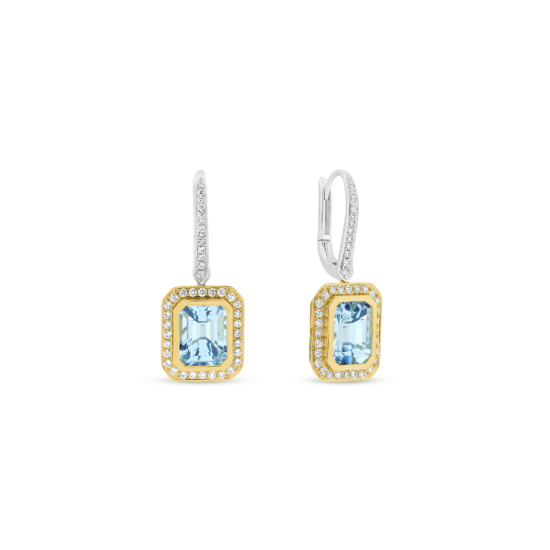
In earrings, 2-tone jewellery works beautifully in hoops and drop styles, where the contrast has room to travel along the length of the piece. The change between metals can highlight the curve of a hoop or draw the eye down a drop, giving the earrings more movement as they are worn.
Pendants and Necklaces
Dual-tone jewellery gives pendants and necklaces several ways to play with contrast. A pendant might combine two metals within the bail and body, or pair a chain in one metal with a pendant in another. This creates a visual link between the two tones while allowing each element to retain its own character.
Bracelets
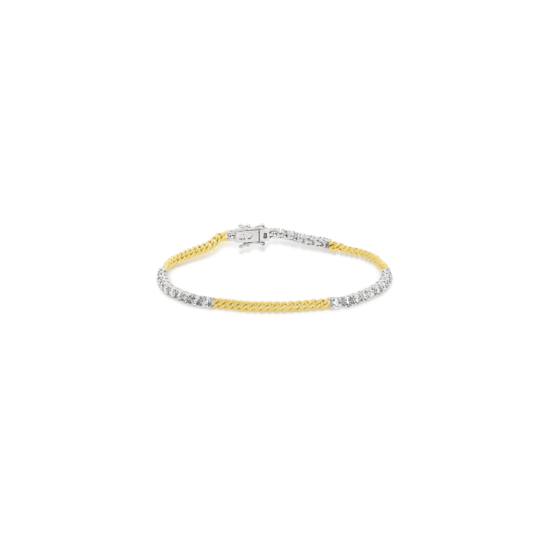
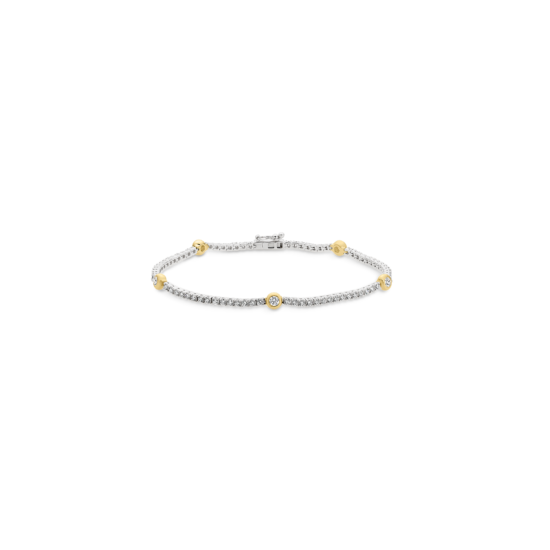
Two-tone bracelets bring the contrast onto the wrist, where the different metals shift with movement. Yellow gold bezels set along a white gold tennis line, or diamond sections alternating with curb links, add definition and dimension to the design.
Why Choose Two-Tone Over Single Metal?
The appeal is as much about practicality as it is aesthetics. For most people, their personal collection consists of both yellow and white gold. A two-tone piece brings those different metals together, making it easier to pair different pieces. Dual-tone jewellery also brings visual interest, adding dimension without the overwhelm.
A plain band or solitaire pendant can take on a different character when two metals are brought into the design. For anyone who already wears yellow and white gold together, two-tone jewellery is a natural addition to the collection, linking the pieces you already own.
Creating a Custom Two-Tone Piece
Designing a two-tone piece starts with the combination of metals and how you want them to meet. You can choose where the boundary sits, as well as the type and placement of stones, with our consultants guiding you through the process.
If you have an existing piece you would like to match, bring it to our Southland or Doncaster showroom so we can reference its metal tones. Our skilled artisans then craft your custom piece in the workshop.
Two-Tone Jewellery Size Guide
Getting the fit right depends on the piece. For rings, start with our ring size guide and visit our Southland or Doncaster showroom for an in-person fitting. If you’re choosing a bracelet, necklace or another piece, our team can also help with wrist measurements and sizing.
FAQs
The metal join itself should remain clean and defined when the piece is properly crafted and cared for. Different metals may naturally develop changes in appearance over time, depending on how they are worn. We recommend bringing your jewellery to our showroom for professional cleaning and inspection to maintain its finish.
Yellow gold and white gold are particularly versatile because the warm and cool tones work naturally with jewellery in either metal. This makes the combination easy to pair with your existing collection, while still giving the piece its own character.
Yes. Two-tone design can be particularly effective for engagement rings and wedding bands, where the contrast between metals adds definition to the setting or band.
A popular example is an engagement ring with a yellow gold band and white gold claws. The yellow gold brings warmth to the ring, while the white gold claws create a crisp setting around the diamond and visually recede against it.
Rose gold refers to a single metal tone, defined by the characteristic blush colour of the gold. Two-tone jewellery combines two clearly distinct metal colours within the same piece, so the contrast between them becomes part of the design.
Yes, you can. The metal combination is one of the details to consider during the bespoke process, alongside the placement of the metal boundary, stone selection, and setting. Our consultants can guide you through the design before it is crafted by our skilled artisans.
Start with the metal tones you naturally gravitate towards. Yellow gold brings warmth, white gold and platinum have a cooler appearance, while rose gold has a softer blush tone. Trying different combinations in person is often the best way to see which one complements your skin tone and existing jewellery.
It depends on the design and how the two metals have been joined. Some pieces allow for alterations, while others require a more considered approach to preserve the proportions and definition between the metals. Our team can assess the piece and advise on what is possible.